
Multi-Crore Public Infrastructure Losing Purpose Due to Poor Maintenance
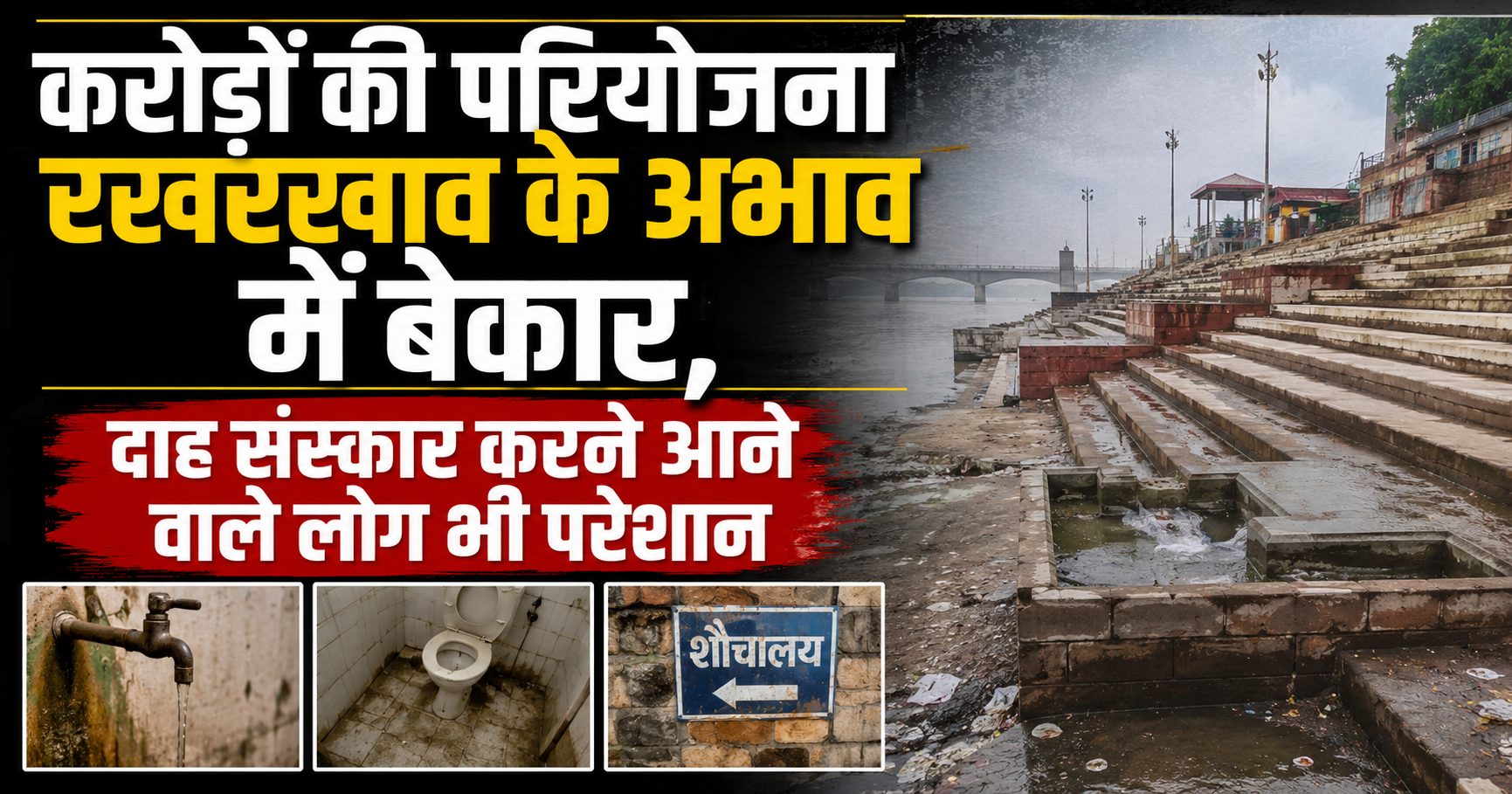
Patna: The condition of Khajekalan Ghat, a prominent riverside ghat in Patna City's historic area, has deteriorated significantly due to a lack of maintenance. Developed under the Azimabad Circle of the Municipal Corporation with an investment of several crores of rupees by the Indian Oil Foundation, the ghat was envisioned as a modern public facility offering essential amenities for residents, tourists, and families visiting for cremation rituals. Today, however, much of that infrastructure has become non-functional, raising concerns over the neglect of a major public asset.
Most of the facilities created as part of the redevelopment project are either lying unused or have fallen into disrepair. The worst affected are grieving families who bring their loved ones to the ghat for last rites. They are now forced to struggle for basic necessities such as drinking water and clean toilets. Local residents who visit the riverfront for morning and evening walks, as well as tourists exploring the area, are also facing inconvenience due to the lack of essential civic amenities.
Developed at a Cost of Several Crores
Recognizing the religious, cultural, and tourism significance of Khajekalan Ghat, the Indian Oil Foundation funded a comprehensive redevelopment project worth several crores of rupees. The initiative included beautification of the ghat, construction of seating areas, installation of drinking water facilities, modern public toilets, improved lighting, landscaping, and other public conveniences.
The project aimed to provide a clean, safe, and comfortable environment for visitors while enhancing the overall appeal of the Ganga riverfront. Initially, the upgraded ghat became a popular destination for both local residents and tourists, attracting visitors for religious activities, leisure walks, and scenic views of the river.
However, over time, inadequate maintenance has significantly diminished the utility and appearance of the entire facility.
Drinking Water and Toilets No Longer Functional
One of the most pressing issues at Khajekalan Ghat is the lack of drinking water and sanitation facilities. Water coolers and drinking water pipelines installed during the redevelopment are reportedly out of service, forcing visitors to search elsewhere for potable water, especially during the hot summer months.
Similarly, the public toilets have become largely unusable. Some remain locked, while others suffer from poor cleanliness and maintenance. This situation has created severe inconvenience for visitors, particularly women, elderly people, and families attending cremation ceremonies.
Bereaved Families Facing Additional Hardship
People from Patna City and surrounding areas regularly come to Khajekalan Ghat to perform the last rites of their loved ones. At a time of emotional distress, they are expected to have access to basic public facilities. Instead, many find themselves struggling for drinking water and hygienic toilets.
Family members accompanying funeral processions often have to spend several hours at the ghat, but the absence of essential amenities has added to their hardship. Some visitors said they are compelled to rely on nearby shops or private establishments for basic necessities.
Tourists and Local Residents Also Disappointed
Khajekalan Ghat serves not only as a cremation site but also as an important riverfront destination. Every day, numerous local residents visit the ghat for morning walks, yoga, and peaceful views of the Ganga. Tourists from different parts of the country also include the site in their itinerary.
However, poor maintenance, unhygienic conditions, and the absence of public facilities are leaving visitors disappointed. Many believe that with proper upkeep, the ghat could become one of Patna's leading tourist attractions.
Cleanliness Under Question
Several parts of the ghat are littered with garbage, while overgrown vegetation and damaged infrastructure reflect prolonged administrative neglect. Residents argue that spending crores of rupees on infrastructure serves little purpose if authorities fail to maintain it afterward.
They allege that routine inspections and maintenance work are either irregular or completely absent, allowing the condition of the public facility to deteriorate steadily.
Residents Demand Immediate Maintenance
Local residents and social activists have urged the Municipal Corporation to restore the ghat's basic facilities without delay. They have demanded the immediate repair of drinking water systems, reopening and cleaning of public toilets, regular sanitation drives, and proper maintenance of lighting and public infrastructure.
Many have also suggested establishing a permanent maintenance mechanism to ensure that the multi-crore public investment continues to benefit citizens rather than becoming a neglected asset.
Religious and Cultural Importance
Khajekalan Ghat holds significant religious importance as well. Devotees visit the site daily for holy dips in the Ganga, prayers, rituals, and ancestral ceremonies. During major religious festivals and special occasions, thousands of pilgrims gather at the ghat.
Residents believe that a place of such spiritual and cultural significance deserves better civic management and maintenance. Restoring essential amenities would not only improve public convenience but also enhance the city's image among visitors.
Expectations from the Municipal Corporation
Citizens argue that the responsibility of public authorities does not end with constructing infrastructure. The long-term success of any public project depends on consistent maintenance and effective management.
They have appealed to the Municipal Corporation to restore drinking water facilities, repair and maintain public toilets, ensure regular cleanliness drives, strengthen security, and improve lighting arrangements across the ghat.
Hope for Prompt Action
The deteriorating condition of Khajekalan Ghat has become a matter of concern for local residents, social organizations, and public representatives alike. Many fear that unless immediate steps are taken, the multi-crore development project will lose its intended purpose entirely.
Attention is now focused on whether the Municipal Corporation and the concerned authorities will act swiftly to restore essential public facilities and preserve one of Patna City's important religious, cultural, and public landmarks for the benefit of residents, devotees, and tourists alike.


