

Acute Scarcity of Greenery on NH Roads in Saharsa: Tree Plantation Limited Only to Sonbarsa Raj; Lack of Trees in Other Areas Escalates Pollution and Reduces Shade
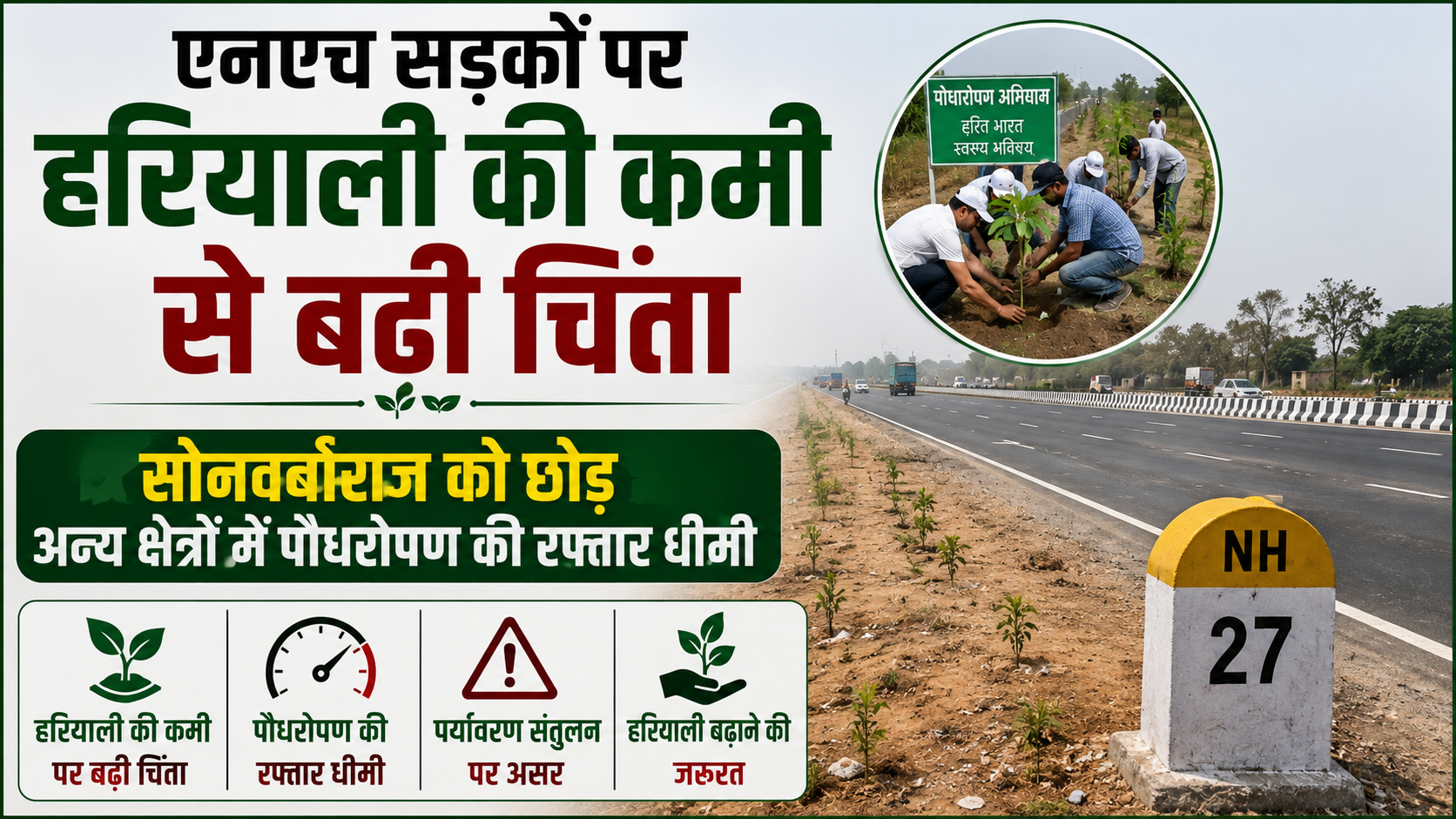
Saharsa: A deeply alarming picture concerning environmental conservation and administrative apathy is emerging from Bihar's Saharsa district. A massive deficit of greenery is currently visible along the banks of National Highways (NH) and major thoroughfares passing through the district. The situation is such that barring the Sonbarsa Raj block region, saplings are hardly visible anywhere along NH tracks. In all other rural and urban localities, the absence of trees along roadsides is not only destabilizing ecological balance but has also turned mounting pollution and the lack of shade for commuters during scorching summers into severe crises. Deep resentment prevails among local residents and environmental enthusiasts over this deplorable state of affairs, and they are vociferously demanding large-scale tree plantation on both sides of roads. Let us review all aspects of this issue and a detailed account of its far-reaching impacts.
Crisis of Greenery on Saharsa's NH Routes: Concrete and Dust on the Ground
During the widening and construction of various NHs and State Highways passing through Saharsa district, the old greenery along roadsides either fell victim to development or became targets of indiscriminate felling.
Barren Tracks in the Name of Trees: Whenever a traveler journeys from Saharsa toward other districts, they encounter only billowing dust or concrete tracks on both sides of the road. Barring Sonbarsa Raj, no concrete initiatives by the Forest Department or NHAI (National Highways Authority of India) toward conserving trees or planting new saplings appear to be implemented on the ground.
Escalating Pollution and Toxic Air: Smoke and flying dust generated by continuous vehicular movement are mixing directly into the air. With no trees along roadsides to naturally filter pollution, no mechanism remains to check it, causing carbon levels in the environment to rise steadily and air to become increasingly toxic.
The Sonbarsa Raj Initiative: The Sole Exception Sparking Hope
Amidst this gloomy atmosphere, the Sonbarsa Raj region under Saharsa district has emerged as a positive exception.
Commendable Picture of Tree Plantation: Through the efforts of local administration, the forest department, or social organizations, tree planting has been carried out in certain segments along the NH in the Sonbarsa Raj region. Saplings can be seen thriving by the roadside here.
Need for Similar Initiatives in Other Regions: Local residents assert that if greenery can be restored in Sonbarsa Raj through sheer willpower, why can the same not be replicated across other blocks and major NH routes of Saharsa? Administrative officials in other regions should also take a cue from this model.
Blistering Heat and the Agony of Commuters: People Wandering in Search of Shade
The most direct and brutal impact of the absence of trees is falling on common commuters, walking laborers, cyclists, and school children.
Blazing Sun and Scorching Roads: During the summer season, temperatures in Saharsa touch extreme limits. Under such conditions, finding no trees or shade for miles along the NH makes walking in the sun nothing short of an ordeal.
Scarcity of Passenger Sheds and Trees: In earlier times, people could rest briefly under the dense shade of large roadside trees, but with trees cut down, traveling on roads has become even more agonizing. Deprived of shade, commuters frequently fall victim to heatwaves and dehydration, getting sick.
Demands of Local Residents: 'Plant Trees, Save Lives'
Local citizens, social activists, and intellectuals across various areas of Saharsa have started raising their voices against the administration. Their clear stance is that greenery cannot be brought about merely through paperwork advertisements and photo-ops on Environment Day; work must happen at the grassroot level.
Massive Tree Plantation Drive on Both Sides of Roads: The public demands that shady and fruit-bearing saplings be planted rapidly along both margins of all NHs and major roads in the district.
Guarantee of Sapling Protection: Merely planting saplings is insufficient; tree guards must be arranged for their upkeep and irrigation so that animals cannot harm them and they can grow into full-fledged trees.
This scenario of acute scarcity of greenery on NH roads in Saharsa and tree plantation being restricted solely to Sonbarsa Raj raises a massive question mark on administrative priorities. Disregarding nature in this era of development and concrete is tantamount to playing with our own future. If the Saharsa district administration, Forest Department, and NHAI fail to jointly launch a comprehensive tree plantation drive in time, environmental conditions here will reach even more dangerous levels in coming days. The public demand is crystal clear—roads should be widened and development must occur, but alongside that, green carpets must be laid along roadsides so commuters get shade and the environment receives clean air.